A failing sewer line is one of the most serious plumbing problems a Littleton homeowner can face and one of the most common. Littleton’s tree-lined established neighbourhoods, aging clay tile infrastructure, and expansive clay soils create the conditions for sewer line failure more reliably than almost any other combination of factors in Colorado. A Clear Choice Plumbing and Heating provides expert sewer line repair and replacement in Littleton CO using trenchless methods wherever possible protecting the mature landscaping Littleton homeowners have spent decades cultivating.
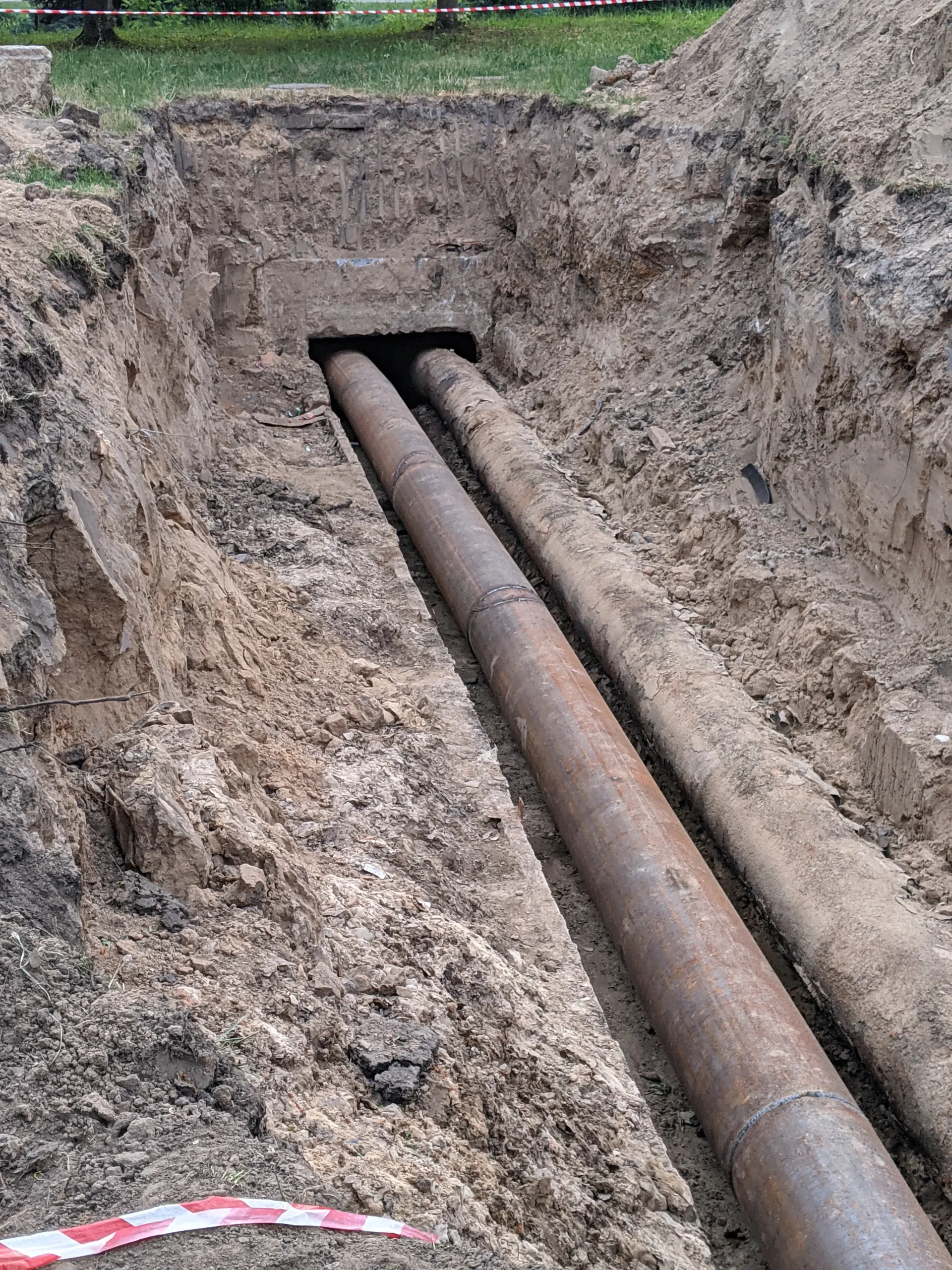
Littleton’s sewer line problem is not generic it’s highly localised and driven by three intersecting factors. First, the city’s most desirable and established neighbourhoods Bow Mar, Old Littleton, and Columbine Valley were developed in the 1950s and 1960s, when clay tile was the standard sewer pipe material. Clay tile has a functional lifespan of 50–70 years, and those pipes are now at or past end of life. Second, these same neighbourhoods feature mature tree canopies of elm, cottonwood, and ash trees whose root systems actively seek moisture and find it in the joints of aging clay tile. And third, Littleton’s expansive clay soils shift seasonally, further stressing those joints and creating new entry points for roots with each year’s freeze-thaw cycle.
The result is a predictable pattern: slow drains that eventually lead to full sewage backups, often after heavy rain or wet spring conditions. At A Clear Choice, we use HD camera inspections to identify the exact issue—whether it’s root intrusion, cracks, sagging, or collapse—before recommending the right solution. When possible, trenchless repairs help preserve the landscaping that defines Littleton’s neighborhoods.

Tree Root Infiltration Littleton’s #1 Sewer Problem
Root infiltration is by far the most common sewer line issue in Bow Mar, Old Littleton, and Columbine Valley. Roots enter through clay tile joint gaps that have shifted with Littleton’s clay soil movement, then grow inside the pipe until they partially or fully block flow. Annual hydro-jetting removes root masses and restores flow; CIPP pipe lining seals the entry points permanently preventing re-infiltration without replacing the full pipe.
Clay Tile Joint Separation and Cracking
Even without root infiltration, Littleton’s clay tile sewer pipes shift and separate at joints from the annual shrink-swell cycle of the clay soil. Joint separation allows soil to enter the line, creating progressive blockages. If the pipe walls are otherwise intact, CIPP lining creates a new pipe-within-a-pipe without excavation. If sections have collapsed, targeted replacement or full line replacement is required.
Sewer Backups in Established Littleton Neighbourhoods
A sewage backup is a health emergency requiring immediate professional response. When waste water rises in floor drains or fixtures, all water use must stop. In Littleton’s older neighbourhoods, backups are almost always a main-line blockage not a drain-level clog and require camera inspection before clearing to understand the cause and prevent immediate recurrence.
Bellied or Sagging Sewer Line
Ground settling or soil movement can cause sections of a sewer line to sag creating a low point where waste and solids accumulate rather than flowing through. Bellied sections don’t respond to hydro-jetting alone the physical deformation needs to be addressed either through pipe bursting (which re-establishes grade) or excavation and pipe replacement of the affected section.
Sewer Gas Smell in Yard or Home
Sewer gas odour coming from the yard particularly in a line from the foundation toward the street indicates a cracked or separated sewer pipe releasing gases into the soil. Inside the home, sewer gas suggests a dry P-trap or a crack in the main line allowing gases to escape into the living space. Camera inspection identifies the exact source.
Main Line Blockage Affecting All Fixtures
When multiple drains slow simultaneously toilets flush sluggishly, bathtubs take long to empty, or flushing causes water to rise in a nearby fixture the problem is in the main sewer line, not individual drains. This pattern in a Littleton home almost always indicates root infiltration or structural failure downstream of where the individual drain lines join the main.
Tree Root Infiltration Littleton’s #1 Sewer Problem
Root infiltration is by far the most common sewer line issue in Bow Mar, Old Littleton, and Columbine Valley. Roots enter through clay tile joint gaps that have shifted with Littleton’s clay soil movement, then grow inside the pipe until they partially or fully block flow. Annual hydro-jetting removes root masses and restores flow; CIPP pipe lining seals the entry points permanently preventing re-infiltration without replacing the full pipe.
Clay Tile Joint Separation and Cracking
Even without root infiltration, Littleton’s clay tile sewer pipes shift and separate at joints from the annual shrink-swell cycle of the clay soil. Joint separation allows soil to enter the line, creating progressive blockages. If the pipe walls are otherwise intact, CIPP lining creates a new pipe-within-a-pipe without excavation. If sections have collapsed, targeted replacement or full line replacement is required.
Sewer Backups in Established Littleton Neighbourhoods
A sewage backup is a health emergency requiring immediate professional response. When waste water rises in floor drains or fixtures, all water use must stop. In Littleton’s older neighbourhoods, backups are almost always a main-line blockage not a drain-level clog and require camera inspection before clearing to understand the cause and prevent immediate recurrence.
Bellied or Sagging Sewer Line
Ground settling or soil movement can cause sections of a sewer line to sag creating a low point where waste and solids accumulate rather than flowing through. Bellied sections don’t respond to hydro-jetting alone the physical deformation needs to be addressed either through pipe bursting (which re-establishes grade) or excavation and pipe replacement of the affected section.
Sewer Gas Smell in Yard or Home
Sewer gas odour coming from the yard particularly in a line from the foundation toward the street indicates a cracked or separated sewer pipe releasing gases into the soil. Inside the home, sewer gas suggests a dry P-trap or a crack in the main line allowing gases to escape into the living space. Camera inspection identifies the exact source.
Main Line Blockage Affecting All Fixtures
When multiple drains slow simultaneously toilets flush sluggishly, bathtubs take long to empty, or flushing causes water to rise in a nearby fixture the problem is in the main sewer line, not individual drains. This pattern in a Littleton home almost always indicates root infiltration or structural failure downstream of where the individual drain lines join the main.
Same-day emergency sewer response camera inspection before we clear.
We provide plumbing services throughout Littleton and surrounding communities
We also serve nearby communities including Englewood, Centennial, Lakewood, Highlands Ranch, and Sheridan.
Stop all water use in the home immediately every flush and drain adds to the backup and increases the risk of sewage escaping into the living space. If sewage is actively rising in floor drains or fixtures, keep occupants away from those areas for sanitation reasons. Call us immediately sewer backups in Littleton are treated as emergency service. We’ll dispatch with a camera and clearing equipment to diagnose the exact cause and clear the line completely.
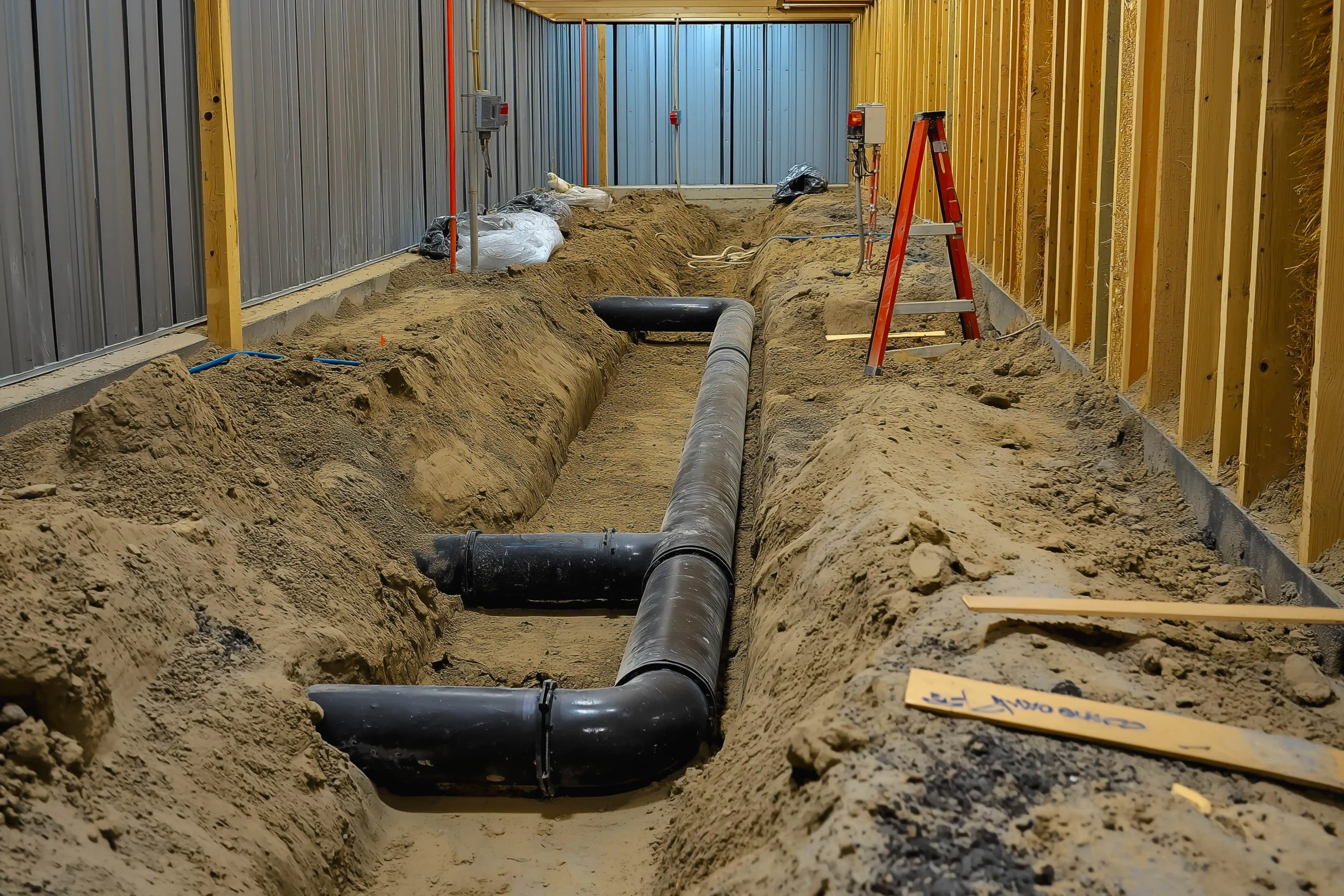
Two Littleton-specific reasons: first, the city’s most affected neighbourhoods, Bow Mar, Old Littleton, Columbine Valley have mature landscaping that homeowners have cultivated for decades. Trenching across a yard with established trees, landscaping, and hardscaping causes damage that costs thousands of dollars to restore. Trenchless methods require only small access points at each end of the repair section. Second, many Littleton properties have sewer lines running beneath mature tree root systems excavation risks destabilising those trees. Trenchless pipe lining or pipe bursting avoids this entirely.
Costs vary significantly by method and scope. Trenchless CIPP pipe lining runs approximately $80–$250 per linear foot depending on pipe diameter and condition. Pipe bursting is similar. Open-cut full replacement runs $50–$250 per linear foot plus excavation, restoration, and permit costs. A typical Littleton single-family sewer line (40–80 linear feet from house to city main) costs $3,500–$14,000 fully completed depending on method and conditions. We provide an itemized written quote after the camera inspection.
Clay tile sewer lines the most common pipe material in Littleton’s pre-1980 homes are installed in sections joined at the ends. Over time, Littleton’s expansive clay soil shifts these joints as it shrinks and swells seasonally. Even a hairline gap at a joint is enough for tree roots to penetrate, seeking the moisture and nutrients in the sewer line. Once inside, roots grow until they fill and block the pipe. The combination of aging clay tile, active clay soil, and mature trees makes Littleton one of the most root-affected sewer markets in the South Metro area.
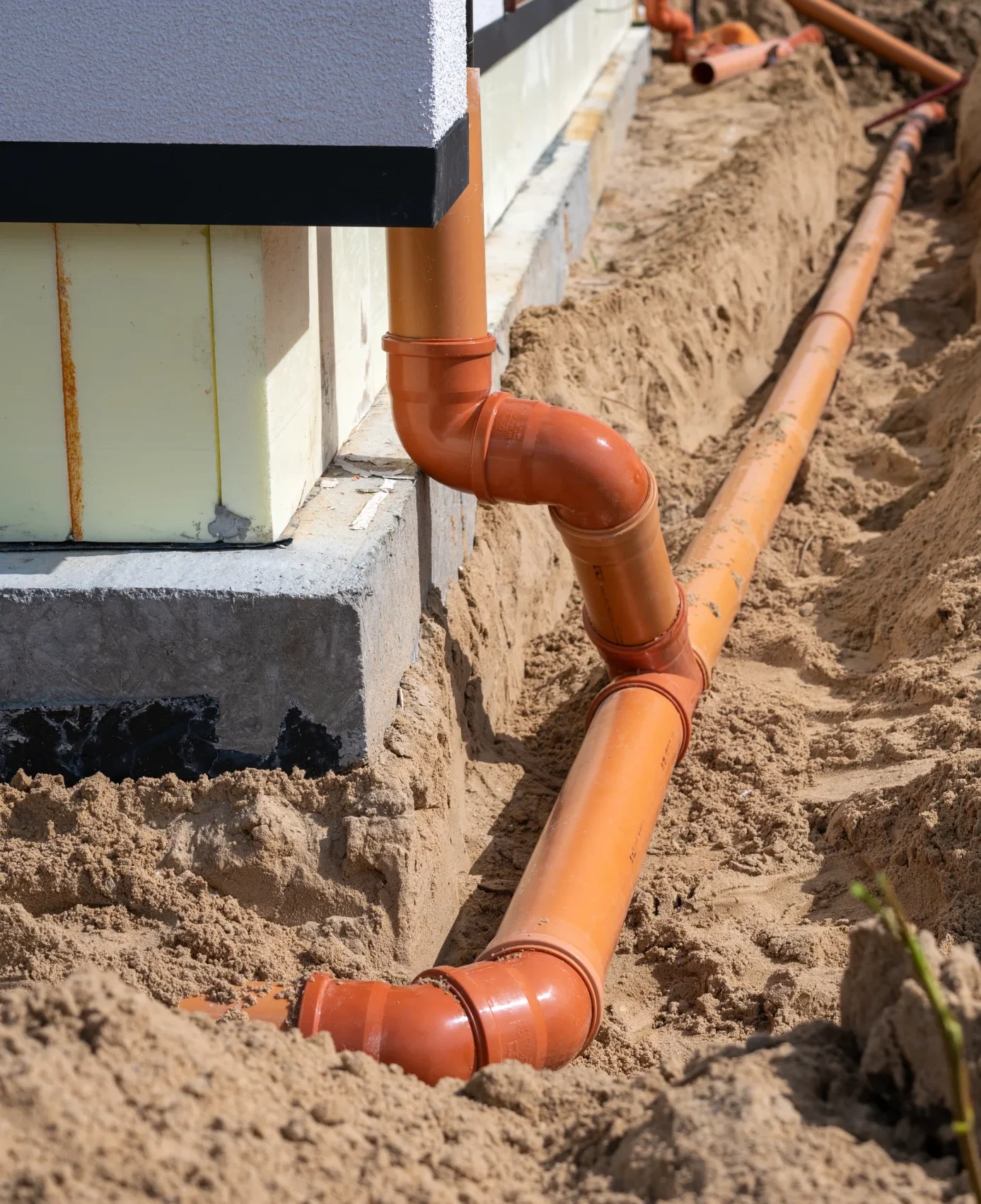
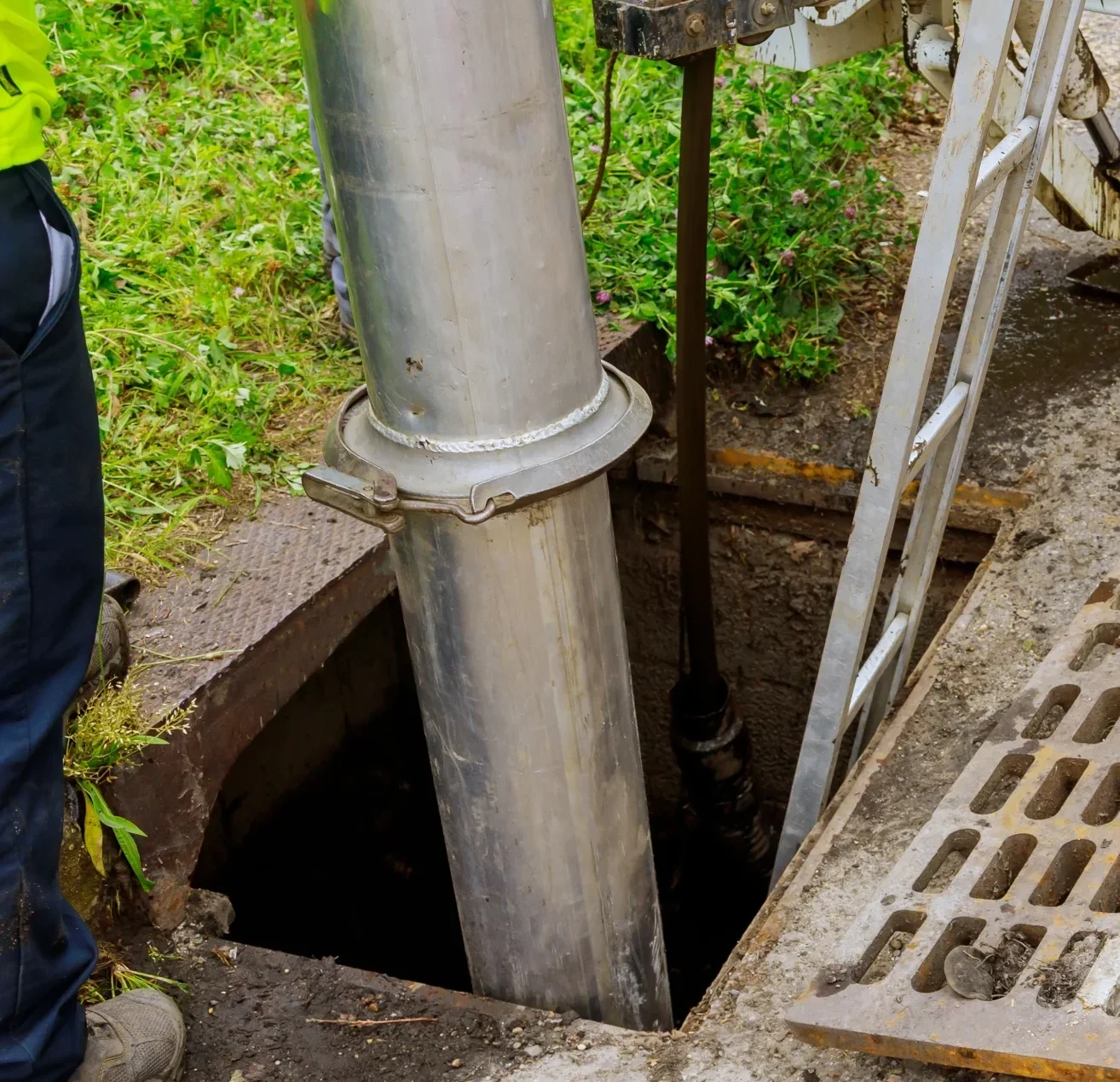
Whether your sewer line is backing up from root infiltration, has cracked clay tile joints from soil movement, or needs full replacement after decades of service, A Clear Choice provides the camera inspection, honest diagnosis, and trenchless-first sewer repair that protects Littleton’s properties and landscapes.
Call now or request a free, no-pressure estimate and experience the plumbing service Littleton homeowners trust year after year.
"*" indicates required fields