The most destructive water leaks in Denver homes are the ones you cannot see. A pipe leaking inside a Capitol Hill Victorian’s plaster wall, a corroded galvanised line seeping inside a Congress Park bungalow, a slab leak in a Park Hill ranch — these losses flow undetected for months while warping floors, feeding mold growth, and driving up Denver Water bills. A Clear Choice Plumbing and Heating locates hidden leaks in Denver CO with professional acoustic amplification and electronic detection — opening only what’s necessary, repairing it permanently, and verifying the fix before we leave.
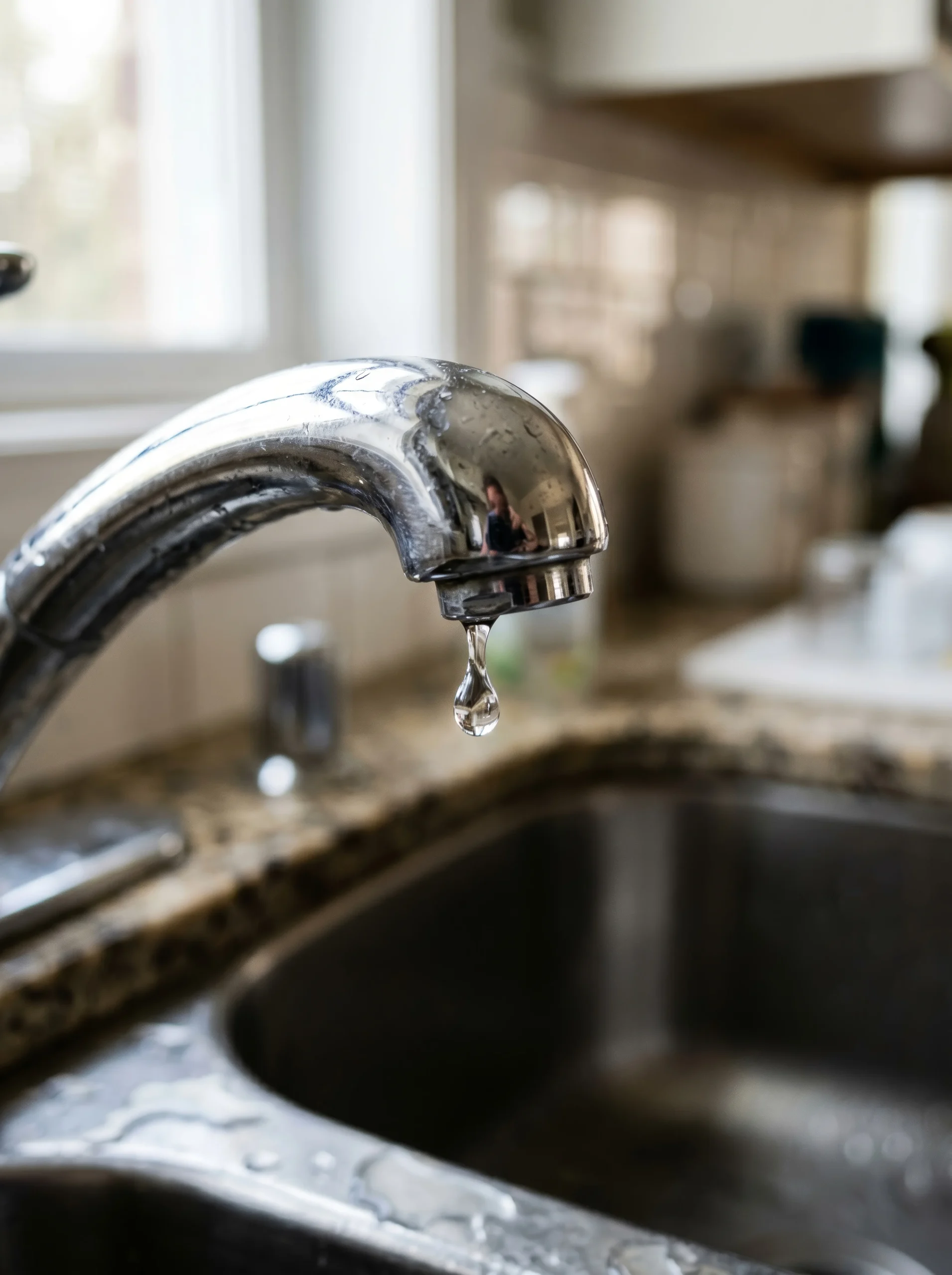
Denver’s aging infrastructure creates a leak environment unlike any other Colorado market. The city’s housing stock includes thousands of homes built between 1900 and 1950 with original galvanised steel supply lines and cast iron drain stacks — materials that corrode, pit, and fail from the inside out, often without any visible exterior sign until a wall is already saturated. Denver Water’s own distribution system includes century-old mains that contribute to pressure variability and supply-side leaks at service connections. And Denver’s semi-arid climate — low humidity, rapid temperature swings — dries out rubber seals and gaskets year-round, creating a higher baseline rate of fixture and appliance leaks than you’d find in more humid markets.
Denver’s urban density adds another dimension: in RiNo and LoDo condos and multi-unit buildings, a leak in one unit can migrate through shared walls, ceiling assemblies, and mechanical chases to affect multiple occupants before the source is identified. Vertical stack tracing and building-envelope leak detection in multi-unit Denver properties requires specialist equipment and experience that general plumbers don’t carry. At A Clear Choice, we locate hidden leaks precisely — in single-family homes, condos, and commercial properties — before opening a single wall.
Acoustic Detection
Electronic Pipe Tracing
Slab Leak Detection
Thermal Imaging
Pressure Testing
Pipe Repair & Restoration
Precise location before we open anything — minimal access, permanent repair.
From Denver’s century-old Capitol Hill brownstones to modern RiNo loft conversions, hidden leaks present differently across the city’s diverse building stock. Here’s how we find and fix them:

Acoustic Leak Detection — Denver’s Aging Pipe Systems
Galvanised steel lines in Denver’s pre-1950 homes develop pinhole leaks as corrosion progresses — leaks that are often hidden inside plaster and lathe walls that don’t show moisture staining for weeks. Our acoustic sensors detect the pressure signature of these leaks within inches, without opening the wall first.
Slab Leak Detection in Denver Homes
Slab leaks — leaks in supply or drain lines running beneath the concrete foundation — occur in Denver’s mid-century ranch homes in Park Hill, Hilltop, and Harvey Gulch where copper supply lines were embedded in or beneath the slab during construction. A warm section of floor, a meter that runs with all fixtures off, and unexplained tile grout cracking are the classic signs.
Underground Water Line Leak Detection
Denver’s service connections from the city main to the house — particularly in older Capitol Hill, Congress Park, and Five Points properties — can develop cracks or joint separations from ground movement and material aging. We trace and locate underground line leaks with electronic sensors before any excavation begins.
Multi-Unit & Condo Leak Detection in Denver
Leak detection in Denver’s LoDo, RiNo, and Cherry Creek multi-unit buildings requires vertical stack tracing — identifying whether a leak originates in one unit’s supply lines, a shared mechanical chase, or the building’s main distribution system. We carry equipment and experience for this specifically.
Denver Low-Humidity Seal & Gasket Leak Detection
Denver’s semi-arid climate — among the driest of any major US city — dries out rubber seals and gaskets at a faster rate than more humid markets. This creates a higher baseline of fixture, valve, and appliance connection leaks across all Denver properties. We inspect for seal-related leaks as part of our standard detection protocol.
Thermal Imaging for Hot Water Line Leaks
Hot water supply line leaks beneath Denver floors — particularly under tile and hardwood in older homes — produce heat signatures detectable by infrared camera before any visible surface damage appears. We use thermal imaging as part of our detection toolkit for suspect floor areas.
Post-Repair Pressure Verification & Documentation
After every Denver leak repair, we pressure-test the repaired section and the full system to confirm complete resolution before any access points are patched. We provide written documentation of findings and repairs — suitable for Denver homeowner’s insurance claims related to hidden water damage.
Acoustic Leak Detection — Denver’s Aging Pipe Systems
Galvanised steel lines in Denver’s pre-1950 homes develop pinhole leaks as corrosion progresses — leaks that are often hidden inside plaster and lathe walls that don’t show moisture staining for weeks. Our acoustic sensors detect the pressure signature of these leaks within inches, without opening the wall first.
Slab Leak Detection in Denver Homes
Slab leaks — leaks in supply or drain lines running beneath the concrete foundation — occur in Denver’s mid-century ranch homes in Park Hill, Hilltop, and Harvey Gulch where copper supply lines were embedded in or beneath the slab during construction. A warm section of floor, a meter that runs with all fixtures off, and unexplained tile grout cracking are the classic signs.
Underground Water Line Leak Detection
Denver’s service connections from the city main to the house — particularly in older Capitol Hill, Congress Park, and Five Points properties — can develop cracks or joint separations from ground movement and material aging. We trace and locate underground line leaks with electronic sensors before any excavation begins.
Multi-Unit & Condo Leak Detection in Denver
Leak detection in Denver’s LoDo, RiNo, and Cherry Creek multi-unit buildings requires vertical stack tracing — identifying whether a leak originates in one unit’s supply lines, a shared mechanical chase, or the building’s main distribution system. We carry equipment and experience for this specifically.
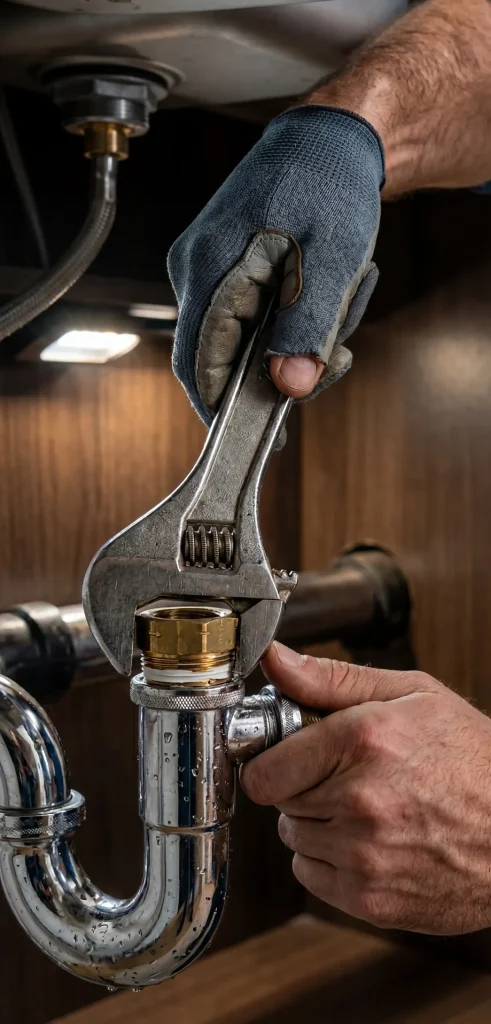
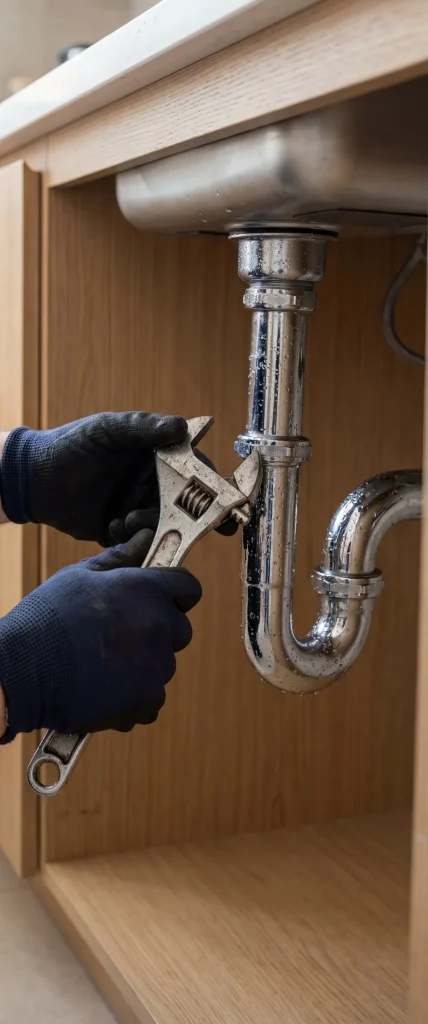
Start with your Denver Water meter. Turn off all fixtures — including the ice maker, irrigation, and any water-using appliances — and watch the meter’s leak indicator (usually a small triangle or dial). If it’s still moving, water is flowing somewhere when it shouldn’t be. For wall leaks in Denver’s older homes, look for localised damp drywall or plaster, bubbling paint, musty odour near a particular wall, or soft flooring. Denver’s low humidity means surface staining may appear more slowly than in humid climates — call us if you suspect a leak even without obvious visible signs.
Professional leak detection in Denver typically runs $200–$500 depending on the type of leak, the building type, and the detection methods required. Multi-unit condo detection requiring vertical stack tracing is toward the higher end. Slab leak detection is similar. This cost is almost always far less than the water damage and mold remediation from a hidden leak that goes undetected in Denver’s older housing stock. We provide an upfront detection quote before starting.
Slab leaks are most common in Denver’s mid-century ranch homes from the 1950s and 1960s — particularly in Park Hill, Hilltop, Harvey Gulch, and parts of Capitol Hill — where copper supply lines were embedded directly in or beneath the concrete slab. These lines develop pinhole leaks as pitting corrosion progresses, often going undetected for months. Signs include a warm spot on the floor, a meter that runs with all fixtures off, and unexplained tile cracking.
Yes, significantly. Denver’s semi-arid climate — average relative humidity around 40%, compared to 60–70% in more humid US markets — dries out rubber seals and gaskets at an accelerated rate. This means fixture connection leaks, valve leaks, and appliance supply line failures are more common in Denver homes than in comparable-age homes in humid climates. Combined with the aging infrastructure in Denver’s historic neighbourhoods, the city has a higher baseline rate of hidden leaks than most comparable-size US cities.
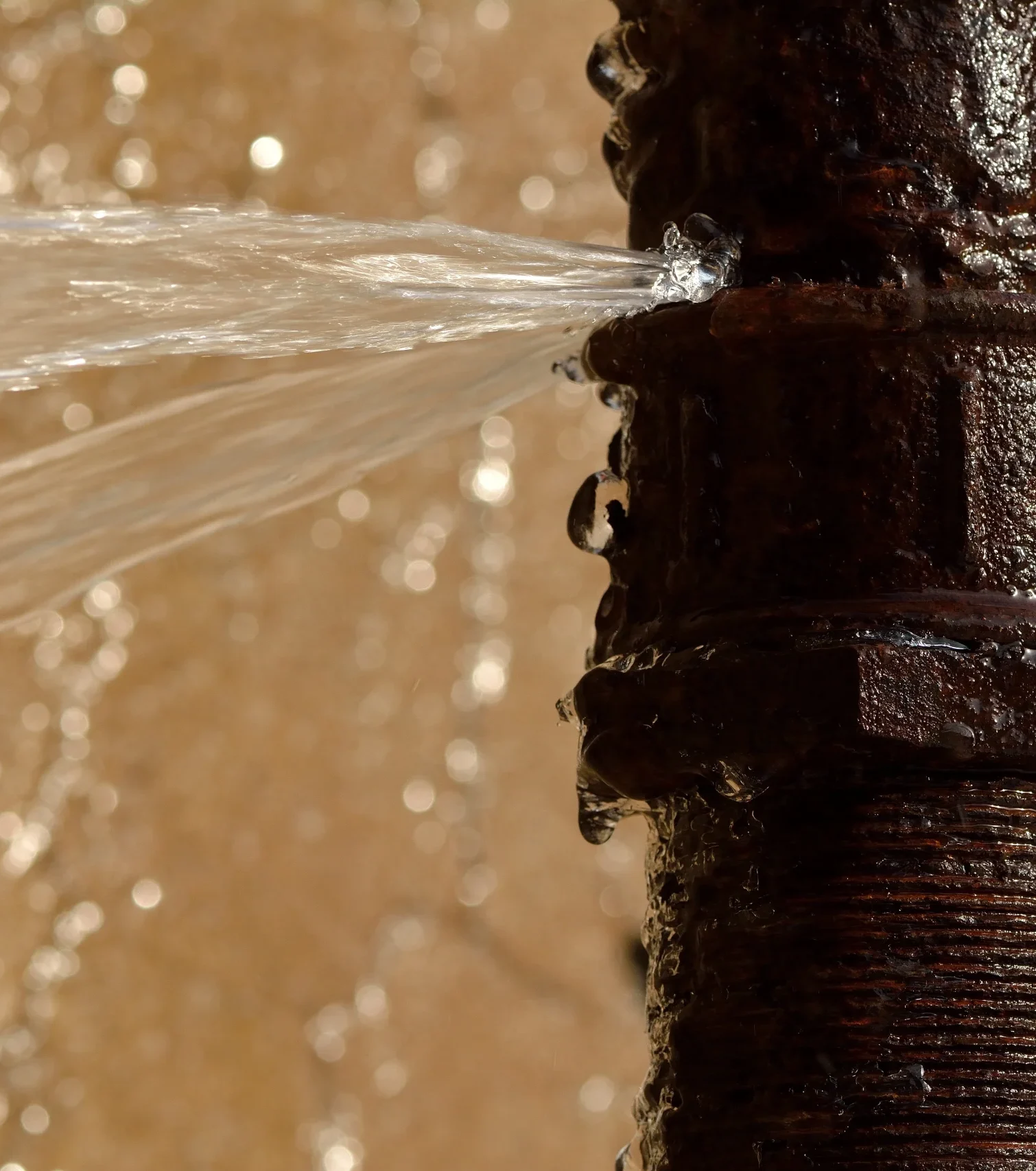
Interested in our leak detection services in Denver? Call us now or request your free, no-pressure estimate.
A Clear Choice locates hidden water leaks across Denver with precision detection equipment — opening only what’s necessary, repairing it permanently, and verifying the fix before we close anything up.
Serving Capitol Hill, Washington Park, RiNo, Park Hill, LoDo, Five Points, and all of Denver with the professional leak detection service Mile High homeowners depend on.
"*" indicates required fields